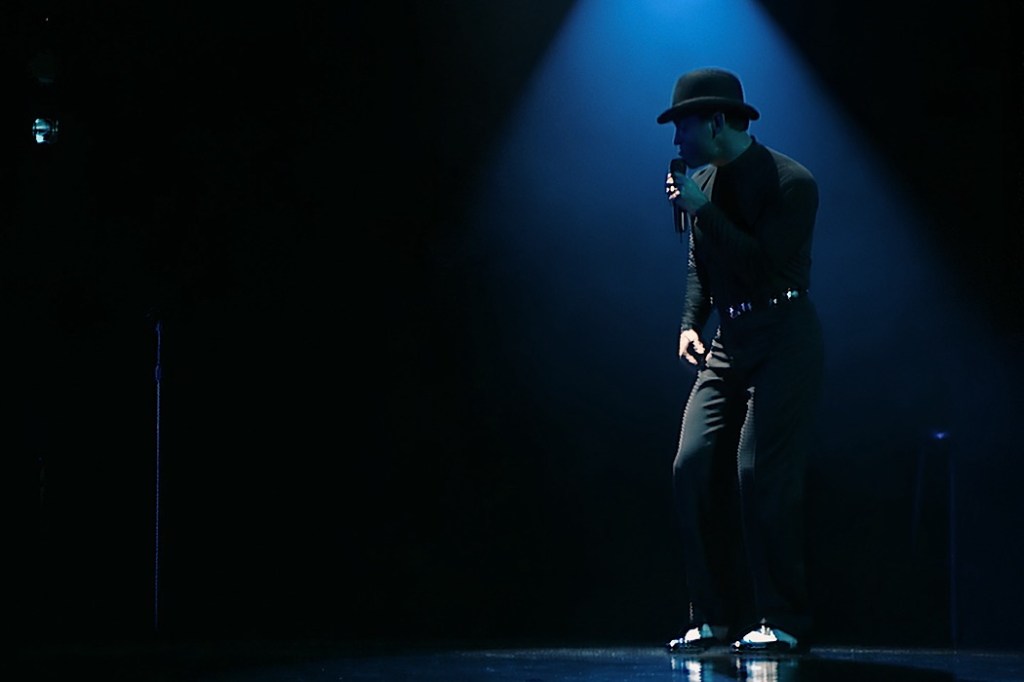
Voices: The Danny Gans Story is a quietly affecting documentary, less concerned with legacy as mythology than with the harder task of understanding someone you loved from a distance. It’s refreshing to see a documentary crafted by the subject’s loved one. With his directorial debut, Andrew Davies Gans places himself at the center of the film is a risk, and one that’s clearly felt throughout. Rather than attempting neutrality, he embraces subjectivity.
For many viewers, Danny Gans may not be a familiar name, and the film is upfront about that. Still, Voices makes his significance clear. At the height of his career, Gans was a commanding presence on the Las Vegas Strip, synonymous with polished, high-level entertainment and sold-out crowds. Through archival footage and firsthand accounts, the film captures how carefully constructed his performances were, and how instantly recognizable his voice became. Even as time has dulled public memory, the extent of his talent remains undeniable. There is a plethora of interviews included in the doc with some recognizable faces: Lance Burton, Louie Anderson, Donny Osmond, and Terry Fator (the latter took over the mirage showroom after Gans passed).
The documentary becomes an act of searching. One that is fueled by unanswered questions and emotional proximity. In turning the camera inward, Andrew doesn’t just tell his father’s story; he invites the audience into the process of figuring out who that father really was.
Listening From a Distance
The film traces Gans’ story back to an early turning point: the childhood dream of becoming a professional baseball player, cut short by injury. Rather than treating this as a narrative detour, Voices frames it as a redirection. Pushing his energy into music and impressions, Gans began shaping the career that would define him. His mimicry, showcased throughout the film, is both astonishing and revealing. It wasn’t just about accuracy, it was about transformation, about understanding another person well enough to inhabit them.
As Voices follows Gans’ slow climb, from corporate gigs to stage work to Broadway, it’s clear how much persistence that success required. Las Vegas didn’t come easily. It was built over years of refinement and repetition. When Gans finally found his home on the Strip, headlining his own show, the achievement lands with weight. Even then, the film resists letting the spectacle take over. The focus remains fixed on the person behind the performance.
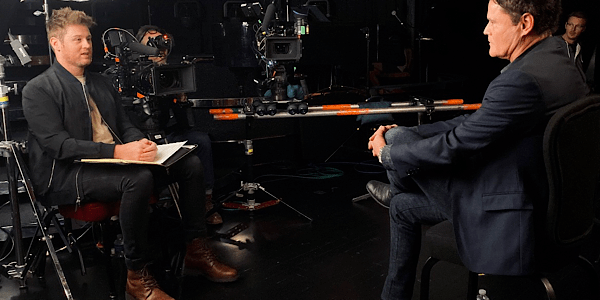
That sense of legacy is built gradually, through interviews with family members, close collaborators, and figures from the entertainment world. These conversations go beyond professional milestones. They reveal a man admired for his generosity and discipline but also defined by a relentless need to perfect his craft. What emerges is admiration complicated by distance. As Andrew listens and reflects, moments of pride are often met with discomfort; an emotional tension that keeps Voices from ever feeling overly reverent.
Alongside the career ascent are quieter, more fragile moments drawn from Gans’ personal life. The documentary addresses his health struggles and the pressures that intensified later in his career with restraint, offering understanding without drifting into sensationalism. Andrew’s dual role, as filmmaker and son; adds an emotional friction that’s impossible to ignore. There are moments were pressing forward feels difficult, even painful, and Voices allows that discomfort to remain.
A Life, A Legacy
While it traces the life of a celebrated entertainer, from his beginning until the end, the film’s emotional core lies elsewhere. It lives in the act of reckoning with a father who was deeply adored and largely absent. That push and pull gives Voices its grounding, allowing it to unfold as both a personal exploration and a reflection on identity, inheritance, and the bonds that linger long after someone is gone.
Gans’ sudden death in 2009, at just 52, is handled less as a dramatic endpoint than as a moment of reflection. The film isn’t interested in shock; it’s interested in what’s left behind. The impressions. The relationships. The memories that continue circulating among those who loved him. In its closing movement, Voices reminds us that legacy isn’t only what plays out on a stage, it’s what endures within a family.
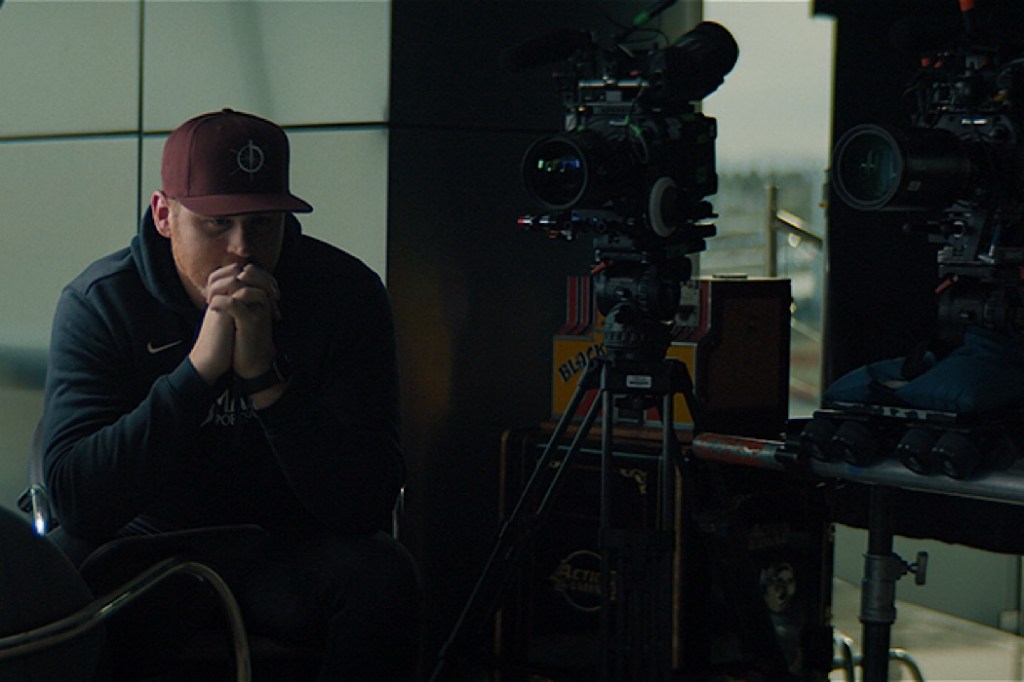
Occasionally, especially in the second act, the film loses some steam, primarily in its back and forth of timeline. When it drops the linear approach and bounces around, some of the momentum slows.
Conclusion:
Intimately constructed and guided by emotional care, Voices: The Danny Gans Story doesn’t ask audiences to arrive with nostalgia or prior knowledge. It simply asks them to listen. To meet a performer who once commanded a spotlight, and a father who left behind unanswered questions. By the time the film ends, Voices no longer belongs just to the Gans family, it becomes something shared, passed gently from father to son, and now to us.
 Cinematic Lovelies
Leave a comment